
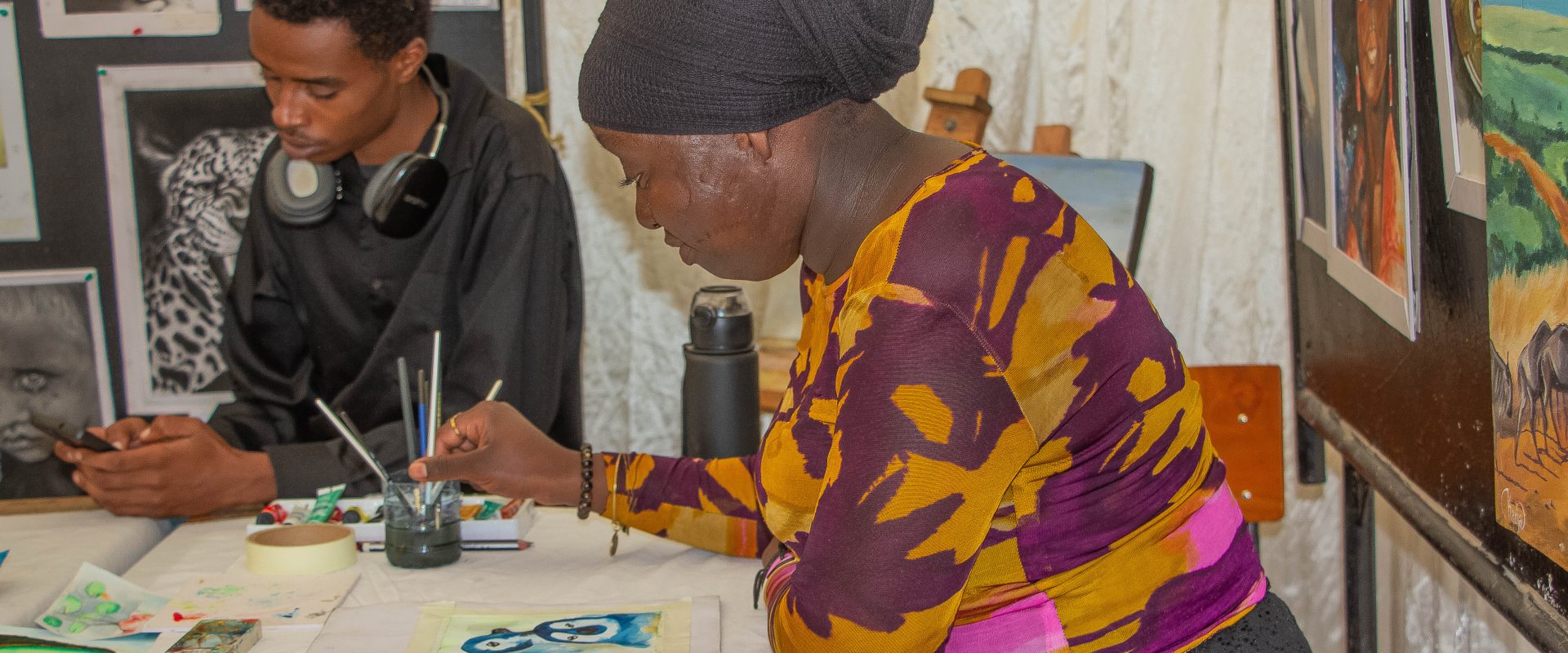
From Passion to Profession: Exploring Careers in the Creative Arts
A passion for art can begin with a simple sketch, a love for beautiful designs, or an interest in making things by hand. Over time, that passion can grow into a valuable skill and even a rewarding career. At Buruburu Catholic Institute of Fine Arts (BIFA), students have an opportunity to explore their interests while developing practical abilities that can support their future ambitions.
Discovering Your Creative Direction
Every artist has a different starting point. Some enjoy drawing and painting, while others are interested in graphic design, crafts, or visual communication. Exploring different artistic disciplines can help students discover what they enjoy most and where their strengths lie.
Rather than limiting themselves to one form of expression, aspiring artists can use their learning experience to experiment, practise, and develop a clearer sense of direction.
Turning Ideas into Practical Skills
Talent is an important beginning, but practical skills help turn ideas into something useful. Learning to work with different materials, understand design principles, and improve technical techniques can make a significant difference in an artist’s development.
At BIFA, students can build their abilities through hands-on artistic activities. These experiences can help them become more comfortable with their tools, improve their attention to detail, and develop the confidence to take on creative projects.
Creative Skills in the World of Work
The creative industry offers opportunities in many different areas. Artistic skills can be useful in graphic design, illustration, crafts, visual communication, education, and small creative businesses.
For example, a student who enjoys design may eventually work on branding materials, posters, or digital artwork. Someone interested in crafts may explore handmade products and entrepreneurship. Others may discover opportunities to share their knowledge through teaching or community projects.
The important lesson is that creative skills can be developed in ways that connect personal interests with practical opportunities.
Learning Beyond the Classroom
Artistic development is not only about producing finished work. It also involves learning how to observe, solve problems, accept feedback, and improve through practice.
These habits can be valuable in everyday life and in the workplace. A student who learns to approach a challenging design with patience may also become better at handling other responsibilities that require planning and persistence.
Preparing for a Creative Future
Building a career in the arts takes time, dedication, and a willingness to keep learning. Students can strengthen their progress by practising regularly, exploring new techniques, and keeping examples of their work as they develop.
A collection of artwork can eventually become a portfolio that shows an individual’s skills, interests, and creative growth. This can be useful when exploring further training, creative projects, or future employment opportunities.
A Place to Begin
For young people who are interested in the arts, choosing an environment that encourages learning and practical development can be an important first step. Buruburu Catholic Institute of Fine Arts provides a space where aspiring artists can explore their interests, develop their abilities, and begin thinking about how their talents may contribute to their future.
Whether someone dreams of becoming a designer, an artist, a craftsperson, or an entrepreneur, the journey begins with learning, practice, and a willingness to grow.
Conclusion
A creative career does not always begin with a clear plan. Sometimes, it starts with curiosity and the decision to learn something new. With the right opportunities and dedication, artistic interests can develop into practical skills that open doors to different possibilities.
At BIFA, the journey from artistic interest to practical ability begins with the courage to learn, create, and keep growing.